How to Get Cat Wee Smell from Carpets, Sofas and Around the House

Cat pee has a smell that’s difficult to ignore.

You might have cleaned the carpet, washed the cushion covers or sprayed the room with air freshener, only to find that the smell comes back a few days later.

Sometimes it gets stronger rather than fading, especially when the affected area has dried or the room becomes warm.

To get rid of cat wee smell, you need to find every affected area, remove the urine residue with a suitable cleaner and check whether it has soaked beneath the surface.

You also need to understand why your cat is returning to the same place.

Whether you’re dealing with a new kitten, an older cat or a lingering smell left by a previous homeowner’s pet, this guide explains what to do.

Removing Cat Odours from Carpets and Sofas

Why cat pee smells so strong

Fresh cat urine can smell unpleasant, but older urine is often much worse.

As bacteria break down compounds in urine, they produce the familiar ammonia-like smell.

Over time, other sulphur-containing compounds called mercaptans can make the odour even stronger.

This is one reason cat urine can become more noticeable days after the original accident.

Urine from unneutered male cats can smell particularly strong because of hormone-related compounds.

One substance associated with feline urine chemistry is felinine, although you don't need to identify individual chemicals to choose the right cleaning method.

When cat wee dries, it leaves residues that ordinary water might not remove completely.

The practical issue is that the wee can remain in the material long after the visible patch has disappeared.

A scented spray may temporarily cover the smell without removing its source.

On carpets and upholstered furniture, urine can also reach the backing, carpet underlay or cushion filling. That's why cleaning what you can see isn't always enough.

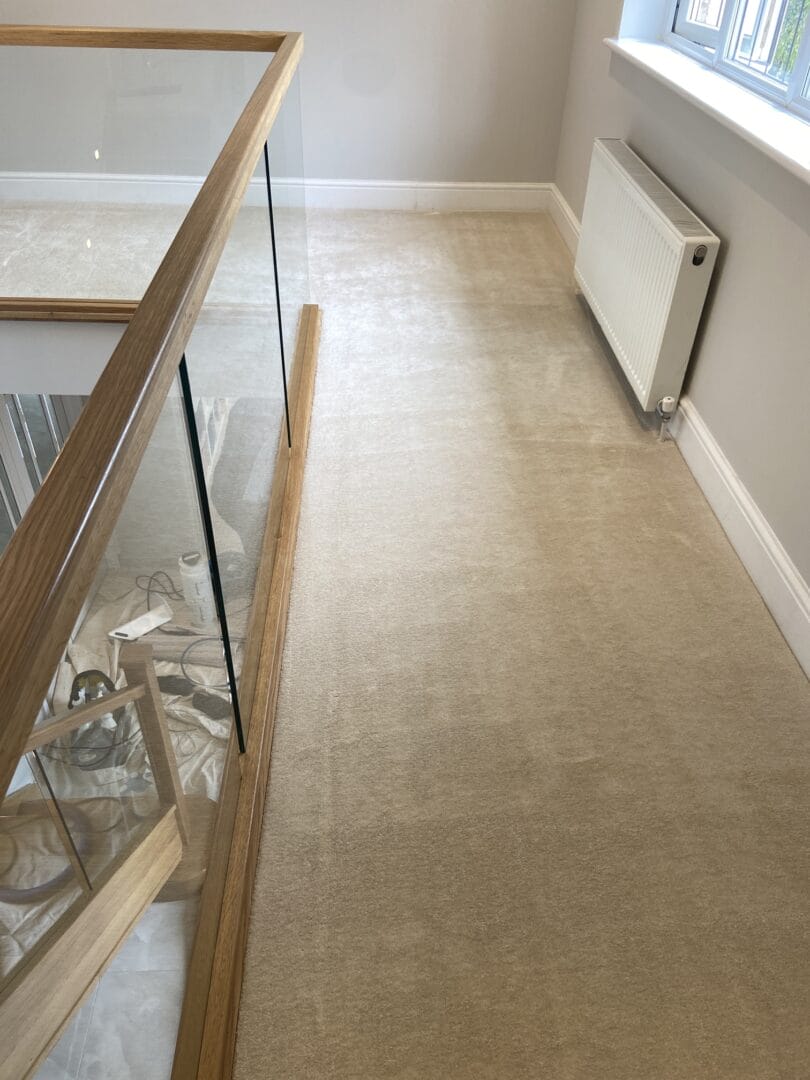
1697367050_24-Twenty-Pence-Road-wilburton-carpet-cleaning-service-art-of-clean-cambridge-GMB
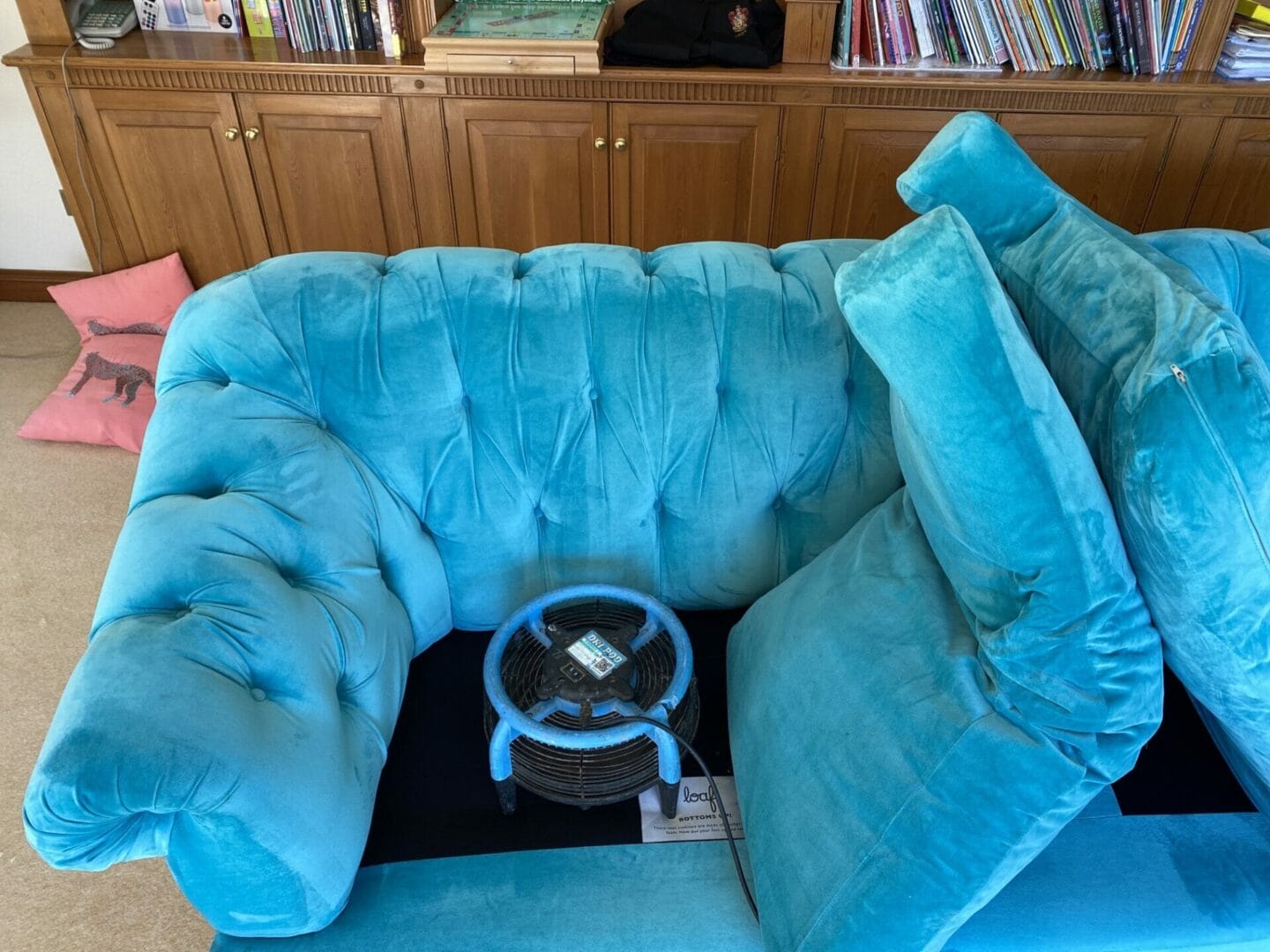
Velvet-sofa-cleaning-service-great-shelford-art-of-clean-cambridge-GMB

Spraying or peeing? Why your cat might be doing it

Before focusing on cleaning, consider why the accident happened.

Cats may urinate outside their litter tray or spray urine to mark territory. These are different behaviours.

A cat urinating normally will often squat and leave a puddle.

Spraying typically involves a smaller amount of urine deposited on a vertical surface, such as a wall, door or furniture.

Spraying can be associated with territorial behaviour or stress and anxiety.

It is particularly common in unneutered cats, and neutering can substantially reduce sexually related marking.

Where your cat sprays may offer clues.

Marking near a window or external door may relate to another cat outside, while marking elsewhere in the house may reflect changes in the home environment.

However, if your cat suddenly starts peeing outside the litter tray, arrange a vet check before assuming it's behavioural.

A veterinary examination, which may include a urine test, can help investigate medical concerns.

If your cat is straining and unable to pass urine, seek emergency veterinary attention.

For further advice about litter tray avoidance and behaviour, visit Cats Protection's toileting advice.

How to find old cat pee patches with a UV torch

One of the greatest difficulties with cat urine is finding where the smell comes from.

A patch may have dried completely, leaving no visible stain. Your cat, however, may still recognise the area.

A UV torch, sometimes called a UV blacklight, can help locate some dried urine deposits.

Darken the room and slowly shine the torch across likely areas.

Pay particular attention to corners, along skirting boards, underneath sofas, behind furniture, around doorways, curtains and the lower sections of walls.

Some urine deposits may fluoresce under UV light, making previously hidden patches easier to spot.

Mark suspected areas with masking tape so you can return to them in normal lighting.

Remember that not everything glowing under a UV torch is urine. Other household substances can also fluoresce, and some urine patches may not show clearly.

Use your sense of smell alongside the torch.

Once you've found an affected area, treat beyond the visible mark where the product and surface allow.

Veterinary house-soiling guidance suggests cleaning a wider area because urine can spread sideways beneath carpet fibres or upholstery fabric.


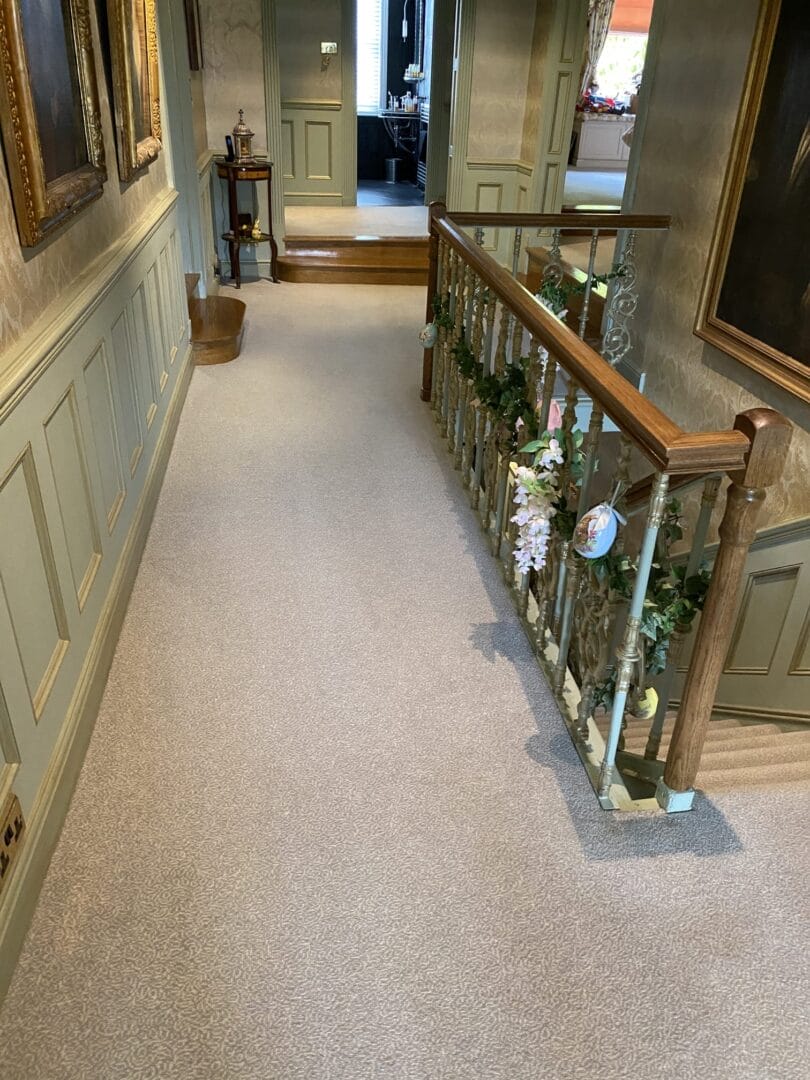
Stansted-Mount-Fitchet-Carpet-cleaning-Service-Art-of-Clean-Cambridge

Getting cat pee out of carpet and rugs

For a fresh accident, blot up as much urine as possible with clean white kitchen roll or a white cloth. Avoid rubbing your carpet, as this can spread the liquid.

With cat urine, choosing a suitable treatment is particularly important.

An enzyme cleaner designed for pet urine can help break down some of the issues responsible for lingering smells.

Check that the product is appropriate for your carpet or rug.

Patch test it in an inconspicuous area and follow the manufacturer's instructions for the amount to apply and the necessary contact time.

Some products require around 10 to 15 minutes, while others have different instructions.

Where rinsing is required, use clean water sparingly. A suitable wet and dry vacuum may help extract rinse water, but avoid soaking the carpet.

Don't use a domestic steam cleaner on untreated cat urine. Heat may make some contamination more difficult to remove.

Once treated, allow the carpet to dry fully and keep your cat away from the area.

If the smell persists after careful home treatment, you can find out more about Art of Clean's professional carpet cleaning service.


What about wool carpets and rugs?

Wool needs extra care because inappropriate chemicals and excessive moisture can damage the fibres or affect the colour.

Choose a suitable WoolSafe Approved pet stain remover where recommended by the carpet manufacturer. Always patch test first and follow the instructions.

For old urine staining on wool, professional advice is usually safer than experimenting with several household products.

With rugs, check the flooring underneath too. Urine may have passed through the backing onto the floor, leaving a source of odour even after the rug looks clean.

Art of Clean also offers specialist rug cleaning in Cambridgeshire, with methods selected according to the rug's fibres, dyes and condition.

When cat pee reaches the underlay or floorboards

Sometimes the smell doesn't disappear because the contamination is no longer confined to the carpet fibres.

Urine may have passed through the backing into the underlay or onto the subfloor.

A strong smell close to floor level, or one that keeps returning after cleaning, can suggest deeper contamination.

You may also notice the odour returning when the carpet is damp.

In some situations, lifting part of the fitted carpet allows the condition of the underlay and floor beneath to be checked.

However, carpet gripper rods have sharp pins, and lifting a fitted carpet incorrectly can damage it. If you're uncertain, ask a carpet fitter.

Where contamination is extensive, replacing a section of underlay may be more practical than repeatedly treating the surface.

Floorboards or other subfloor materials may also need appropriate cleaning and complete drying before the carpet is refitted.

Don't assume a fresh-smelling carpet means everything underneath has been dealt with.


Cat pee on a sofa, cushions or a mattress

Sofas can be particularly difficult because urine may soak through the fabric into the foam or cushion filling.

Before applying a cleaner, inspect the upholstery care label and check whether the covers are removable.

Some materials cannot tolerate water-based treatment.

For suitable washable materials, blot fresh urine, apply a compatible enzyme cleaner according to its instructions and remove excess moisture as directed.

Keep the cushion out of use until completely dry.

Avoid pouring large quantities of water into a sofa cushion. If the filling stays wet, you may create a drying problem without removing the urine.

Where contamination has reached the foam or frame, professional assessment is worth considering.

If you're unsure whether your furniture can be saved, read our article on whether it's worth having your sofa cleaned.

For everyday sofa care, you can also read our advice on removing pet hair from a sofa.

What if your cat has peed on a mattress?

First, blot up the urine without spreading it further.

Check the mattress manufacturer's cleaning guidance before applying any product. If appropriate, use a compatible enzyme cleaner and allow plenty of ventilation.

Mattresses can take considerable time to dry, especially if urine has reached the inner layers. Avoid sleeping on a damp treated area.

Several treatments may be necessary, and complete odour removal isn't always possible.


Cat urine on hard floors, walls, clothes and bedding

Cat pee doesn't always end up on a carpet or sofa.

Sealed wooden and hard floors: Blot or wipe up fresh urine promptly. For stubborn residue, use a cleaner approved for the particular finish, then remove residue and dry thoroughly. Avoid allowing liquid to enter floor joints.

Walls and skirting boards: Clean with a product suitable for the paint or surface. Diluted white vinegar can be used on washable surfaces, but patch test first because it can affect finishes.

Clothes and bedding: Rinse the affected area with cool water and wash the way the care label tells you to. A suitable laundry enzyme treatment may help with remaining odour. Air-dry before checking the smell, as tumble-dryer heat can make remaining odours harder to shift.


What not to use on cat pee

Some popular household remedies can make the situation worse.

Avoid ammonia-based cleaners. Their smell can resemble urine to cats, which may encourage repeat marking.

Bleach can discolour carpet and damage certain fibres. Art of Clean's article on whether you can bleach carpet without ruining it explains why it's a risky choice.

Never mix bleach with ammonia-based cleaners, toilet cleaners or other cleaning chemicals.

Dangerous fumes can be released.

Keep products in their original containers and follow their safety instructions.

Hydrogen peroxide can also lighten some fabrics, so it shouldn't be used as an improvised stain remover.

White vinegar and bicarbonate of soda may help with certain household smells, but neither is a reliable solution for contamination deep within upholstery or underlay.

Biological washing powder isn't necessarily suitable for carpet either. Products intended for laundry may leave residue or damage delicate fibres, particularly wool.

Strongly scented sprays and essential oils may mask odours rather than remove urine residue. Don't apply essential oils around cats without veterinary guidance.

How to stop your cat going back to the same spot

Once you've cleaned the area, the next challenge is preventing another accident.

Cats can detect scent traces that people may no longer notice. Thorough cleaning is therefore important, but it shouldn't be the only step.

Keep your cat away from cleaned areas until they are completely dry. Temporarily blocking access can help while you're dealing with the problem.

Make sure the litter tray is clean, easy to reach and located somewhere your cat feels comfortable using it.

If your cat is spraying, your vet may recommend ways to manage environmental triggers.

Synthetic feline pheromone products may help reduce marking in some circumstances, although results vary.

Avoid punishing your cat for accidents. This can increase distress without addressing the underlying reason.

Cleaning removes the consequence of an accident. Veterinary and behaviour advice can help address why it keeps happening.


When to call a professional cleaner

Home treatment is often worth trying for a small, fresh accident on a suitable material.

However, professional advice becomes more useful when the urine is old, the smell keeps returning or contamination appears to have reached deeper layers.

This is particularly relevant for repeated accidents across several carpeted areas, wool carpets, delicate rugs, sofas with urine in the cushion filling, or persistent smells in a recently purchased or rented home.

At Art of Clean, the sensible starting point is understanding what has happened and what has already been used on the affected material.

Tell us whether you know where the urine is, whether accidents have happened repeatedly, and whether you've already applied household cleaning products.

This information helps establish whether professional cleaning is worth considering.

There are honest limits. Long-standing contamination may improve without disappearing completely. Some underlay, carpet sections or cushion fillings may need replacing.

Find out about Art of Clean's carpet cleaning, specialist rug cleaning and sofa and upholstery cleaning services.


Need help removing cat pee smell? Contact Art of Clean

The most useful approach is to find every affected patch, choose the right urine cleaner, avoid ammonia and bleach, and check whether contamination has reached below the surface.

If you've already tried cleaning and the smell keeps returning, more home treatments may not be the answer.

Art of Clean helps households in Cambridge and across Cambridgeshire with carpet, rug, and upholstery cleaning, from everyday accidents to tougher cleaning issues.

Tell us where the smell is coming from, what you've already tried and how long the problem has been there.

We can discuss the next sensible step and what may realistically be possible.

For carpets, request a quote for professional carpet cleaning.

For rugs, see our specialist rug cleaning service.

If your sofa or chairs have been affected, find out about professional upholstery cleaning.

Frequently Asked Questions

Answers to common questions about our How to Get Cat Wee Smell from Carpets, Sofas and Around the House service.
The smell may become less noticeable, but dried urine residues can remain. Thorough cleaning is usually needed to address the source rather than temporarily cover it.
Urine may linger beneath the surface, or moisture may bring residual contamination back to the carpet pile. Repeated accidents will also affect your underlay.
Diluted white vinegar may help with some surface odours, but it isn’t guaranteed to remove cat urine residue and isn’t suitable for every material.
It may temporarily absorb some odour from a dry surface, but it won’t reliably clean urine from underlay, foam or other absorbent materials.
It isn’t a preferred carpet-cleaning method unless the product is specifically approved for that use. Laundry detergents can leave residues and may damage sensitive fibres.
Sometimes. The result depends on the fabric, the extent of contamination and whether urine has reached the foam or frame. A professional assessment can help determine whether cleaning is worthwhile.
Discuss a sudden change in toileting behaviour with your vet first. Investigate medical concerns before focusing on behaviour or litter tray changes.
Use only products appropriate for the surface and follow the safety label. Keep cats away during treatment and until the area is completely dry.